
Sourcing · Jun 17, 2026
2026 Programmable Robot Kits Wholesale: Remote Control to Coding
Source 2026 programmable robot kits for STEM education. Find bulk suppliers, MOQ ranges, and vetting tips for remote control and graphical coding models.
In short: Source 2026 programmable robot kits for STEM education. Find bulk suppliers, MOQ ranges, and vetting tips for remote control and graphical coding models.
A school district just emailed an RFQ for 2,000 programmable robot kits for their K-8 STEM program. They need models that start with basic remote control and progress to graphical coding on tablets. You have three weeks to find a reliable bulk supplier. This guide is built for that exact decision. You will learn where to source wholesale programmable robot kits in 2026, how to vet suppliers, what MOQ bands to expect, and how to match kits to the booming STEM education market. The focus is on kits that integrate motors, sensors, gears, connectors, and a controller, with dual remote control and graphical programming modes.
Why Buy Programmable Robot Kits in Bulk
The STEM education market is not a trend—it is a structural shift. School districts, after-school programs, and coding academies are adopting robotics curricula as a standard. Buying in bulk for a uniform fleet of kits ensures compatibility with the same lesson plans, replacement parts, and teacher training. It also protects against supply chain disruptions: the TikTok toy lifecycle shows that a viral robot video can spike demand and deplete stock within days. Bulk orders lock in pricing and availability before the panic buying starts.
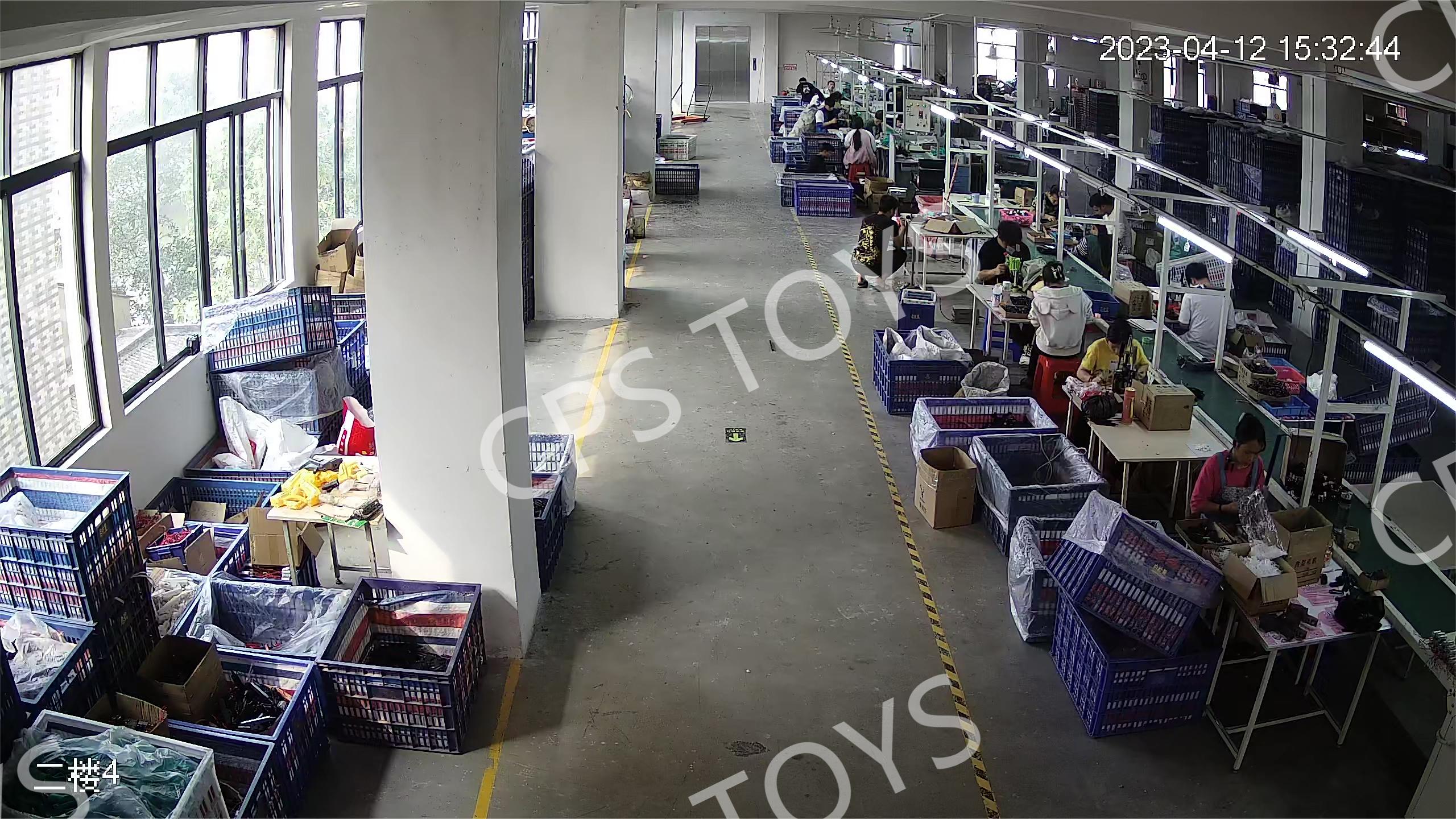
Bulk purchasing also reduces per-unit shipping cost, especially for heavier kits containing motors and gearboxes. A single 40-foot container from the Shantou manufacturing cluster (home to over 10,000 toy factories) can hold thousands of kits at a fraction of the landed cost compared to small parcel air freight.
Popular Picks: 2026 Programmable Robot Kits by Complexity
Wholesale robot kits generally fall into three tiers by programming complexity. The first tier is basic remote control kits: a pre-assembled chassis with a wireless controller, simple forward/backward/turn commands, and no coding. These suit younger students (ages 5-7) and have the lowest MOQ, often 500-1,000 units.
The second tier is entry-level graphical programming kits. They include a controller with a drag-and-drop block coding environment (Scratch or similar) on a tablet or laptop. These kits add sensors like line-following or ultrasonic distance measurement. Typical MOQ is 1,000-3,000 units.
The third tier is advanced programmable kits that support multiple coding languages (Python, C++) and include multiple sensors (gyroscope, accelerometer, color sensor). These appeal to middle and high school robotics clubs. MOQ can start at 2,000 units and go up.
By Theme / Use-Case: Matching Kits to Educational Segments
For elementary school STEM labs, choose kits with large, rounded ABS plastic parts, bright colors, and a simple button-based remote control. Avoid small gears or screws that are choking hazards. The controller should require no assembly. These kits are often sold in sets of 6-12 per box for classroom use.
For middle school robotics competitions (e.g., VEX IQ-style events), select kits with metal parts, track wheels, and a modular frame that students can reconfigure. Graphical programming is standard, but the kit should also accept Arduino or Micro:bit boards for advanced users. Bulk buyers should ask for teacher guides and lesson plans included.
For after-school coding clubs and maker spaces, focus on kits that integrate directly with popular coding platforms (Scratch, Python, or Blockly). These kits often come with a printed curriculum card and have a higher per-unit cost but lower MOQ (500-1,000) because they target specialized buyers.
How to Choose the Best Bulk Supplier for Programmable Robot Kits
First, verify that the supplier can produce kits that meet your target education market's safety standards. For the U.S., that means ASTM F963 and CPSIA compliance. For the EU, it's EN71 and REACH. Ask for a certificate of conformity for each standard. If the supplier hesitates, move on.
Second, check the supplier's minimum order quantity (MOQ) band for stock designs versus custom OEM. Stock designs (e.g., a standard graphical programming kit) may have an MOQ of 1,000 units. Custom OEM—where you request your own color scheme, branding on the controller, or a unique blister pack—typically requires a 3,000-5,000 unit MOQ and a mold cost that can range from $800 to $3,000 per new cavity.
Third, evaluate the supplier's logistics capability. Can they handle sea freight documentation (bill of lading, packing list, commercial invoice) and customs clearance assistance? For a first order, sea freight takes 25-35 days from Shenzhen or Shantou port to Los Angeles or Long Beach. Air freight costs 4-6 times more but can deliver in 5-7 days. A good supplier will quote both options and explain the trade-off.
Fourth, ask for a pre-production sample. For programmable kits, test the remote control range (at least 10 meters), the battery life (at least 2 hours of continuous use), and the graphical programming interface (does it work offline or require a cloud login?). A supplier that sends a working sample within two weeks shows they have inventory and a reliable production line.
Finally, consider the manufacturing cluster. The Chenghai district in Shantou, China, is a dense hub of over 1,000 toy factories specializing in electronic and smart toys, with dedicated zones for mold making (Fengxiang), injection molding (Lianxia), and electronics assembly (Lianshang). Suppliers there can often offer faster mold changes and lower tooling costs because the entire supply chain is within a 15-mile radius.
Supplier Vetting Checklist for Programmable Robot Kits
| Step 1: Safety Certifications | Check for ASTM F963 (U.S.), EN71 (EU), or equivalent. Red flag: supplier says 'certified' but cannot provide a certificate number. |
|---|---|
| Step 2: MOQ Verification | Stock design MOQ typically 500-1,000 units. Custom OEM MOQ typically 3,000-5,000 units. Red flag: supplier demands 10,000 units upfront without explaining why. |
| Step 3: Sample Quality | Test remote control range, battery life, and graphical programming interface. Red flag: sample arrives with dead batteries or misaligned gears. |
| Step 4: Lead Time & Shipping | Sea freight 25-35 days ex-works; air freight 5-7 days. Red flag: supplier cannot commit to a production timeline or changes the schedule repeatedly. |
| Step 5: Payment Terms | Standard: 30% deposit, 70% balance before shipment. Red flag: supplier demands 100% upfront payment (risk of fraud). |
FAQ
For a first bulk order of wholesale programmable robot kits, what are typical MOQs and how do they vary between stock designs and custom OEM items?
For stock designs (standard remote control or graphical programming kits), MOQ typically starts at 500-1,000 units. For custom OEM (your brand, color, or packaging), MOQ usually starts at 3,000-5,000 units. Some suppliers offer tiered pricing: 1,000 units at $X, 5,000 units at $X-15%.
Can a supplier offer custom color or logo molding for wholesale programmable robot kits, and what are the usual mold costs and minimum quantities?
Yes, most factories in the Shantou cluster offer custom color molding (Pantone match) and logo embossing or pad printing. Mold costs vary by spec—typically $800 to $3,000 per cavity depending on complexity. Minimum quantity for a custom color is usually 3,000 units.
How do lead times and shipping methods (sea vs. air) affect total cost and delivery windows for a wholesale order of bulk robot kits?
Sea freight (FOB Shenzhen or Shantou) takes 25-35 days to U.S. West Coast and costs roughly $0.50-$1.00 per unit for a 20-foot container. Air freight takes 5-7 days but costs 4-6 times more—suitable only for urgent sample orders or small top-ups. The supplier should quote both options.
What red flags should I watch for when vetting a programmable robot kit supplier?
Red flags include: inability to provide safety certificates, demands for 100% payment upfront, sample that fails basic function tests, vague answers about lead time, and no physical factory address. Avoid suppliers who claim 'unlimited' MOQ or drastically undercut the market price.
Do programmable robot kits typically include a battery? If so, what type?
Many kits include rechargeable lithium-ion batteries (3.7V) or AA battery packs. Confirm with the supplier: some ship batteries separately due to hazmat shipping restrictions. For bulk sea freight, batteries often must be UN 38.3 certified.
Request a Quote
Ready to source 2026 programmable robot kits for your STEM education market? We can help you find a factory that matches your volume, certification, and budget requirements. Contact our sourcing team with your target MOQ and preferred programming tier.
Source this range with SqueeZaa
SqueeZaa is the wholesale brand of CPS Toys Trading Co., Ltd. in Chenghai, Shantou. Send your product list, target market, quantity and packaging needs for FOB / EXW pricing, samples, certificates and OEM/ODM options.
Ready to source fidget and stress toys?
Browse the wholesale catalog or send an inquiry with your target category and quantity.
View all products Request a Quote