
Fidget Toys Supplier Replies: Which Advance to Sampling?
Review squeeze-toy and shelf-fidget supplier replies with a scored worksheet covering feel, noise, fill, samples, packaging, QC, and order approval.
For US, EU, and global import buyers sourcing existing-design squeeze toys and shelf fidgets, advance only supplier replies that specify the play mechanism, fit the shelf’s noise brief, and identify the exact version to be sampled. A fidget toys supplier’s price is not enough: compare fill or moving parts, sample type, packaging, quantity, and destination-market records on the same basis. Use this worksheet to select sample candidates; reserve order approval for a signed reference sample and closed approval conditions.
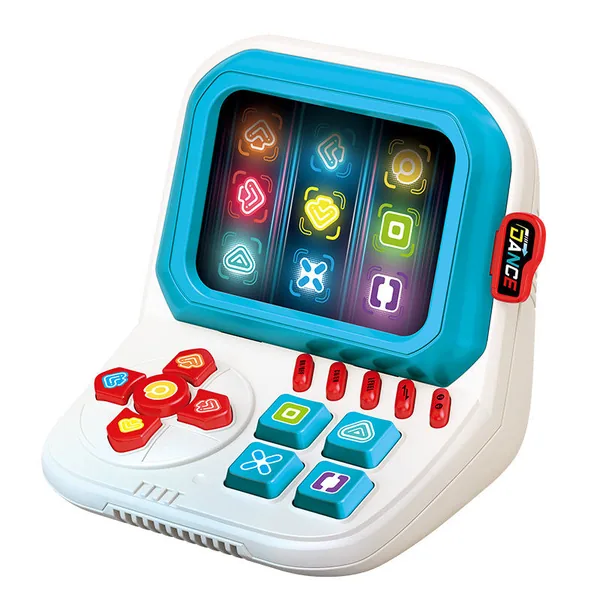
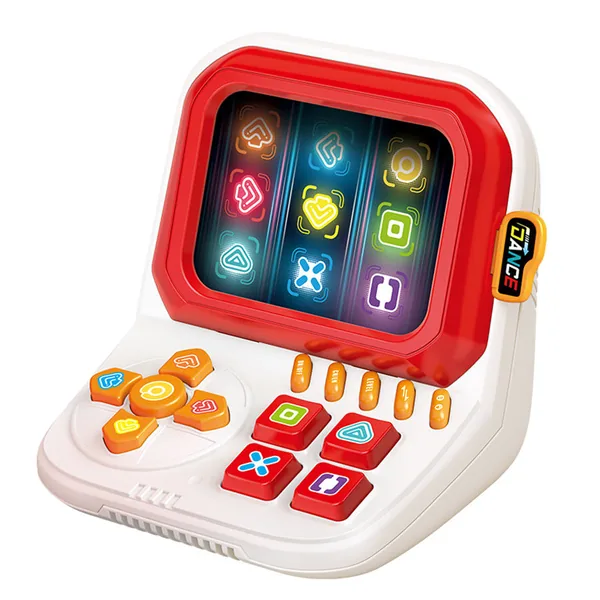
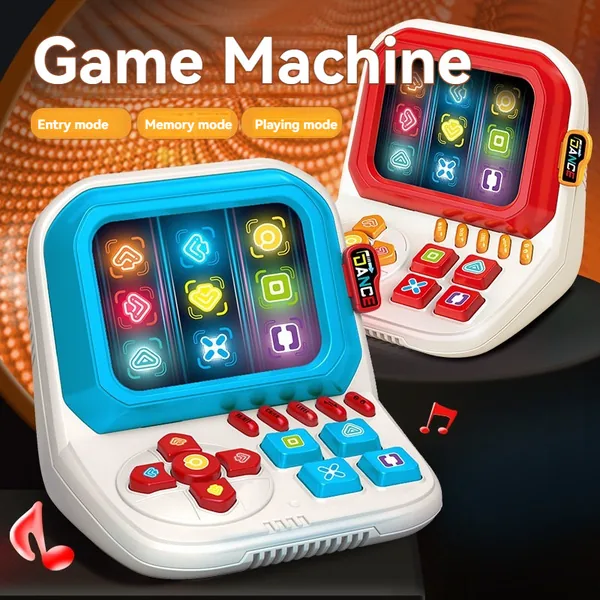
Which catalog examples belong on a quiet sensory shelf?
| Mini burger-shaped magic-bean spinner | Recorded description: mini stress fidget spinner, magic-bean burger design. Material field: plastic. Packing: box. Reference MOQ: 20 units. Recorded units per carton: 160. Request a demonstration identifying which parts spin or move, the resulting sound, and the exact boxed version. Advance as a mechanical-fidget candidate, not as a verified soft squeeze toy. |
|---|---|
| Handheld finger-dancing puzzle with music and lights | Recorded description: handheld finger-dancing fidget puzzle with music and light-up functions. Material field: plastic. Packing: color box. Reference MOQ: 216 units. Recorded units per carton: 72. Request power specifications, operating modes, sound controls, and the supplied package contents. For a quiet shelf, hold selection until the sample demonstrates an acceptable silent mode; otherwise consider it only for a separate sound-enabled assortment. |
What must a supplier explain about squeeze feel and quiet repeat play?
A usable reply describes what the hands actually do and what the toy does in return, rather than relying on “sensory” or “stress relief” in the product name.
For a squishy or stress ball, request the outer-surface construction, fill if any, closure or seam arrangement, and intended recovery behavior. A catalog material field such as “plastic” does not identify every component or establish softness. For a pop-it, spinner, or desk fidget, ask which parts move, resist, click, or detach during intended use.
Set the tactile and noise target before comparing samples. For squeeze recovery, agree on compression depth, hold time, the recovery endpoint, and ambient conditions. For quiet operation, define the intended desk setting and compare samples using the same actions, listening position, and reference toy. A video can clarify the mechanism; its microphone settings make it unsuitable as the sole proof of quietness.
Use the same written sample criteria across suppliers, including recovery, surface, odor, seams, print, and packaging where relevant. These are purchasing checks, not safety certification or predictors of returns. Squishy sample scorecard
How should buyers score each supplier reply?
| 1. Exact version and construction | Request: model identification, revision or dated photos, dimensions, functions, component materials, and fill or closure details for squeeze toys. Acceptable record: an identified specification linked to the quoted product and proposed sample. Decision: advance only the specified version; clarify any difference between the image, description, and specification. Why it helps: a burger-shaped spinner and a soft burger squishy are not interchangeable. |
|---|---|
| 2. Tactile target and operating noise | Request: intended squeeze resistance and recovery, pop resistance, or rotating action, plus sound behavior during repeated use. Acceptable reply: confirmation of the buyer’s written target and the sample method that will demonstrate it. Decision: exclude a permanently musical version from a quiet-only selection. Why it helps: shelf fit is a play requirement, not a packaging claim. |
| 3. Power, moving parts, and accessories | Request: power source, battery type if used, whether batteries are included, compartment details, operating modes, and all loose accessories. Acceptable record: a component list with relevant photos and product-specific technical or test records for review. Decision: clarify the finger game’s power and sound controls before selecting its sample version. Why it helps: music and lights alone do not reveal battery construction or access. |
| 4. Sample scope and QC responsibility | Request: whether the sample is a stock example, decorated sample, packaging proof, or pre-production sample; identify differences from the proposed order. Also request who inspects squeeze seams, fill containment where relevant, moving functions, and pack completeness. Acceptable record: a dated sample specification and inspection plan naming the responsible party. Decision: use an unmodified stock sample for preliminary feel review only if its limitations are recorded. |
| 5. Assortment and shelf-ready packing | Request: exact designs and colors, quantities by variant, retail package dimensions, display configuration if required, and barcode or warning-label placement. Acceptable record: a packing plan and identified artwork or package proof. Decision: approve only an explicit mix; “assorted colors” is insufficient when replenishment must repeat that mix. Why it helps: a box or color-box description does not establish shelf footprint or display quantity. |
| 6. Opening quantity and replenishment | Request: current MOQ for the selected version and packaging, any per-variant minimum, units per carton, any order-multiple restriction, and reorder conditions. Acceptable record: a dated quote and packing plan that agree. Decision: reconfirm the catalog reference quantities for each order scope. Why it helps: MOQ and carton quantity answer different questions; carton quantity alone does not require full-carton ordering. |
| 7. Comparable cost and delivery assumptions | Request: quantity, currency, product and decoration costs, packaging, sample charges and freight, inspection charges if applicable, payment terms, shipping basis, named dispatch point, destination, and quote validity. Ask what starts production timing and separate production completion from transit. Acceptable record: a dated, itemized quote with stated assumptions. Decision: reconcile exclusions before comparing price or accepting a delivery plan. |
| 8. Destination market and intended age | Request: intended age grading, proposed warnings and instructions, and product-matched destination-market documentation for the supplied construction. Acceptable record: identifiable documents that the buyer’s compliance reviewer can map to the toy, its components, and intended market. Decision: keep market review open until applicability and coverage are resolved. Why it helps: a generic category certificate does not establish coverage of the selected toy. |
| 9. Communication and change control | Request: a named contact, responses against the numbered questions, revision notices, and an agreed date for closing unresolved items. Acceptable record: a dated reply log with reconciled attachments. Decision: assess whether the communication fits the buying timetable. Record slow responses as a communication observation—not evidence of fraud or worse behavior after payment. Evaluate inspection control directly, whether the seller is a manufacturer or trading company. |
Which commercial and market records change the decision?
Commercial records establish what is being offered; destination-market records support a separate review of the identified product. Neither replaces hands-on assessment of squeeze feel, operating sound, or packaging fit.
Compare prices only after the product version, sample type, decoration, packaging, and carton assumptions match. A low quoted unit price may exclude setup, sample freight, packaging, labels, inspection, or shipping assumptions; that is a scope question, not proof of poor quality. Toy quote checklist
For US children’s products requiring a Children’s Product Certificate, CPSC guidance says the certificate must identify the covered product sufficiently to match it to that product. Request a matching product description and applicable rule references; if document identifiers differ from the purchase model, request a clear mapping. This identity check does not establish that either catalog example has passed testing. CPSC certificate guidance
For EU or other destination orders, name the actual market in the request and have the responsible reviewer determine the applicable documentation for the selected construction and intended age. Do not treat a US document as a global approval. A report’s relevance follows its tested construction and applicable rules, not a universal expiry date or an automatic assumption that every internal product code needs a separate test.
What should the sample approval record contain?
| Identity and revision | Supplier; product model and variant; sample ID; receipt date; specification revision; quote revision; packaging/artwork revision; and identifying photos. |
|---|---|
| Specified target versus observation | For each applicable check, record the written target, method and conditions, actual observation or measurement, and photo/video reference. Separate tactile preference from functional defects and from safety-test findings. |
| Decision and conditions | Record approve, approve with defined conditions, revise and resubmit, or reject for this assortment. Identify the affected variant and each required correction; do not use an overall pass to conceal an unresolved critical issue. |
| Responsible approvers and dates | Name the buying approver for assortment and commercial scope, the QC approver for sample and inspection criteria, and the responsible compliance reviewer for destination-market release. Record approval dates and supplier acknowledgment. |
| Follow-up closure | For every condition, record the action owner, due date, corrected record or replacement-sample revision, recheck result, and closure approver/date. Retain the approved reference and its agreed tolerances. |
When is a reply ready for sampling or order release?
A reply is ready for sampling when the product identity, mechanism, intended noise behavior, and sample scope are clear enough to test the right toy; it is ready for order release only after the applicable sample, commercial, QC, and market-review conditions are closed.
At reply review, require complete answers for those sample-selection essentials. Assign an owner and deadline to remaining order-stage items. A development sample may be purchased to resolve a tactile question without approving the product for retail sale.
At sample review, compare the supplied toy with the agreed target, not a remembered showroom impression. A finger game without acceptable silent operation fails a quiet-only brief even if its packaging and price are attractive. A spinner that matches its description still cannot satisfy a soft-squeeze slot without evidence of that separate mechanism.
Before releasing the order or production deposit, sign the reference sample and tolerances, settle packing and assortment details, and close the required approvals. Retain the final quote, artwork, sample record, and packing plan for replenishment. On reorder, confirm whether construction, components, functions, or packaging have changed before reusing the previous approval. Squishy sample scorecard Toy quote checklist