
Custom color and logo listings fail on the notes, not the toy
What age, use and display notes buyers must lock for custom colors and logo fidget listings — stock colors vs mold and artwork changes, plus supplier checks.
A custom color or logo fidget SKU does not fail because the factory cannot mold it — it fails because the age, use and display notes were never locked before tooling. Lock the age grade and foreseeable-use note first, then choose between a stock color plus artwork change and a new mold or material color, and only then write display copy. If your listing says 3+ while the design and marketing reach younger children, the label does not settle the question; a 3+ label is a product-specific age decision and does not remove the need to evaluate foreseeable younger-child access. Everything else — logo size, clear space, color palette, retail-ready versus bulk packaging — is downstream of that call.
What buyers should decide before requesting custom fidget toy quotes
- Decide the age grade and the foreseeable-use note before you approve any color or logo artwork; a 3+ label is product-specific and does not automatically replace a 0-3 assessment.
- Separate two cost paths: a stock color plus an artwork or print change, versus a new mold or material color — mold texturing can give repeatable surface appearance without a separate paint step, but it changes draft and how cosmetic defects show.
- A sealed golden sample holding the approved material, color, decoration and dimensions is a working production reference, but it does not replace required market testing.
- Logo rules from the brand owner (official artwork, minimum size, clear space, color palette) constrain what can be printed on a small fidget body or its packaging, so artwork approval must precede tooling.
What packaging options do fidget toy suppliers offer for retail-ready distribution?
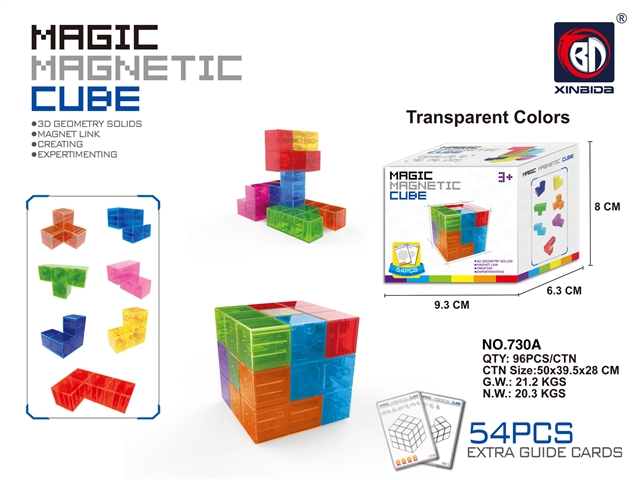
Suppliers typically quote three packaging tiers: bulk (polybag or inner bag in a carton), retail-ready (display box, blister or hang card), and private-label (your brand, barcode and warning text on the retail unit). Which tier you can use is decided by the age and use notes, not by preference — a display box aimed at a gift channel carries different labeling expectations than a polybag sold as a bulk filler. Ask for the packaging tier and the artwork file format in the same message as the color question, because a logo that passes on a hang card may fail at 15 mm height on a small body.
Eco-friendly or recycled-material packaging is a specification you must name explicitly and get confirmed in writing; do not assume it is the default. If the packaging changes the surface the logo sits on, re-check clear space and background color, since guideline sets commonly prefer white or off-white backgrounds and allow other backgrounds only when legibility holds.
Stock colors versus mold and artwork changes: which path fits your launch?
Choose stock color plus artwork change when the launch window is short, the quantity is modest, and the brand mark is the differentiator. This path reuses existing tooling, so the buyer's real work is artwork approval: confirm who owns the logo artwork, whether the mark is registered or only claimed, and whether the supplier may reproduce it. Copyright covers the artwork itself; trademark protects the brand identifier used on goods, and the two are not interchangeable. Registration timing matters for packaging claims — a typical U.S. registration process runs 8-12 months depending on objections or oppositions, so a tight promotional program may ship with ™ rather than ® on the box.
Choose a new mold or material color when the shape, texture or signature color is the product. Mold texturing can deliver a repeatable surface appearance without a separate paint operation, but it changes draft requirements and makes cosmetic defects such as flow marks more visible — a textured surface changes light reflection, so defects read differently than on a polished one. That is a QC decision as much as a design decision, and it should be costed and sampled before the private-label launch date is announced.
Do not run both paths on one SKU without a written change control. A new SKU starting with the previous SKU's labels still in the hopper is the classic failure: the line has to stop, labels, colors and work instructions cleared, then restart. Line clearance looks like bureaucracy until a mixed label reaches a retailer.
Custom fidget toy sourcing paths compared
| Path | Stock color + artwork/print change |
|---|---|
| What changes | Print or decoration, packaging artwork, label text |
| Tooling impact | None on the mold; artwork and print setup only |
| Best fit | Promotional programs, private-label test runs, short launch windows |
| Main risk | Logo too small or low-contrast for the surface; artwork ownership unclear |
| Path | New mold or custom material color |
| What changes | Shape, texture, base color, dimensions |
| Tooling impact | New or modified mold; texture changes draft and defect visibility |
| Best fit | Signature-shape private-label lines with a longer runway |
| Main risk | Color approval by photo only; buyer pays on the second lot |
| Age and use note | Lock before either path; 3+ is product-specific and does not replace a 0-3 assessment |
| Approval artefact | Sealed golden sample with approved material, color, decoration and dimensions |
| MOQ | varies by spec |
| Lead time | varies by spec |
How can buyers compare reliable suppliers for custom logo fidget toys?
Compare suppliers on the approval artefacts they offer, not on the color range they advertise. A factory that will seal a golden sample with the approved material, color, decoration and dimensions gives you a physical reference for bulk comparison — color, fit, flash, function. Emails do not settle a color argument; the sealed piece on the QC shelf does. Buyers who approve only a photo pay for it on the second lot.
Second, ask what happens between SKUs. A supplier with a documented line-clearance step — stop, clear labels, colors and work instructions, then start — is telling you how they prevent cross-SKU contamination. Third, ask for the market-testing position in writing. A golden sample is a production reference; it does not replace required market testing, and no supplier can substitute for your conformity obligations as importer.
For radio-equipped novelty items, the RED framework strengthened traceability obligations for manufacturers, importers and distributors of radio equipment, so traceability documents belong in the same comparison. In the U.S., CPSC's Regulatory Robot can help identify potentially applicable rules, but its screening result does not replace the actual rule text or the certification program.
How the age, use and display notes change per destination market
Age grading is the note that travels worst across borders because it is attached to the product's reasonably foreseeable use, not only to the intended user. In the U.S. the small-parts analysis must match the intended age grade and foreseeable use; a 3+ label cannot automatically replace a 0-3 assessment. That means a fidget marketed to adults but shaped, sized and photographed like a toddler toy still needs the younger-child access question answered on paper.
Use notes cover the second layer: is the item a sensory tool, a desk novelty, a party favour, a promotional giveaway? Display notes cover the third: hang card, counter display, window box, or bulk bin. Write all three before the listing goes live, because marketplace and retail listing fields will ask for them and retrofitting them after artwork approval forces a packaging reprint. When a brand owner supplies logo guidelines, expect them to require official electronic artwork, minimum size and clear-space rules, and restricted backgrounds — these constraints can limit stock color choices and force specific ink or material matching.
A repeatable sourcing sequence for private-label and promotional fidget programs
Step one: write the age grade and foreseeable-use note, and decide whether marketing reaches a younger audience than the label. Step two: decide the packaging tier and whether the logo lives on the product, the retail unit, or both. Step three: choose the path — stock color with artwork change, or new mold and material color — and get both quoted against the same specification. Step four: approve a sealed golden sample, not a photo, and keep it on the QC side. Step five: confirm line clearance between SKUs and the traceability documents your destination market requires. Step six: only then announce the launch date.
This sequence is deliberately front-loaded. Colour and logo decisions are cheap before tooling and expensive after, and the listings that survive a second purchase order are the ones whose age, use and display notes were written by the buyer rather than reverse-engineered from a supplier's stock photo.
FAQ: custom colors and logo listings for fidget toys
What MOQ should I expect for custom fidget toys with my logo?
MOQ depends on whether you are printing onto a stock color or opening a new mold or material color; the artwork path sits lower and the mold path higher, but any specific figure must be confirmed per product specification with the factory rather than assumed from a catalogue.
Can I approve a custom color from a photograph?
No. A photo cannot settle a color argument because lighting and screen calibration shift the reference. Approve a sealed golden sample holding the approved material, color, decoration and dimensions, and compare bulk against that physical piece on color, fit, flash and function.
Does a 3+ label make my fidget toy safe for younger children?
No. A 3+ label is a product-specific age decision and does not remove the need to evaluate foreseeable younger-child access when the marketing or design reaches that audience; in the U.S. the small-parts analysis must match the intended age grade and foreseeable use.
What packaging should I choose for a retail launch versus a promotional giveaway?
Retail launches usually need a retail-ready unit with your brand, barcode and required warning text, while promotional giveaways often run on bulk polybag or simple hang-card packaging. The packaging tier must be named in the specification and confirmed in writing, including any eco-friendly material request.
Who owns the logo artwork when a factory produces my custom fidget toy?
That must be settled in writing before tooling or print setup, because copyright in the artwork and trademark in the brand identifier are separate assets. Confirm whether the mark is registered or only claimed, and note that a typical U.S. registration process runs 8-12 months depending on objections or oppositions, which affects whether packaging can carry ® or only ™.
Do I need market testing if I have an approved golden sample?
Yes. A sealed golden sample is a practical production-QC reference, but it does not replace required market testing or your obligations as importer; for radio-equipped items, traceability obligations also apply under the RED framework.
Sources
Related Products & Categories
Request a quote or a factory audit for your custom color and logo program
Send the age grade, use note, display format, packaging tier and whether you need a stock color with artwork change or a new mold and material color. SqueeZaa develops squeeze, sensory, squishy and fidget toys from Chenghai and can quote both paths against one specification, or host a factory audit so you can see line clearance and golden-sample control yourself before you commit tooling.