
Supplier · Jul 20, 2026
CPSC eFiling in July 2026: How Toy Factories Prepare for US Customs
CPSC eFiling becomes mandatory for US-bound toys in July 2026. Learn how factories integrate certificates into OEM workflows to avoid customs holds.
In short: CPSC eFiling becomes mandatory for US-bound toys in July 2026. Learn how factories integrate certificates into OEM workflows to avoid customs holds.
On July 15, 2026, every toy entering a US port must carry a CPSC eFiling. A missing or malformed electronic certificate means your container sits at the dock—a minimum 7-day hold that eats into your Q4 sell-in window. This article gives you a concrete, Chenghai-based checklist to verify that your supplier actually understands this enforcement date, not just nods at it.
We explain the data a factory must embed in your OEM/ODM workflow, the internal audit steps that prevent a filing rejection, and the specific documents you request before the bill of lading is cut. The core capability is a factory’s ability to map physical goods to digital records before the container door closes. If you source stress balls, slow-rising squishies, or fidget toys from China, the next sections are your verification script.

Market Overview: Why Chenghai Factories Take eFiling Seriously
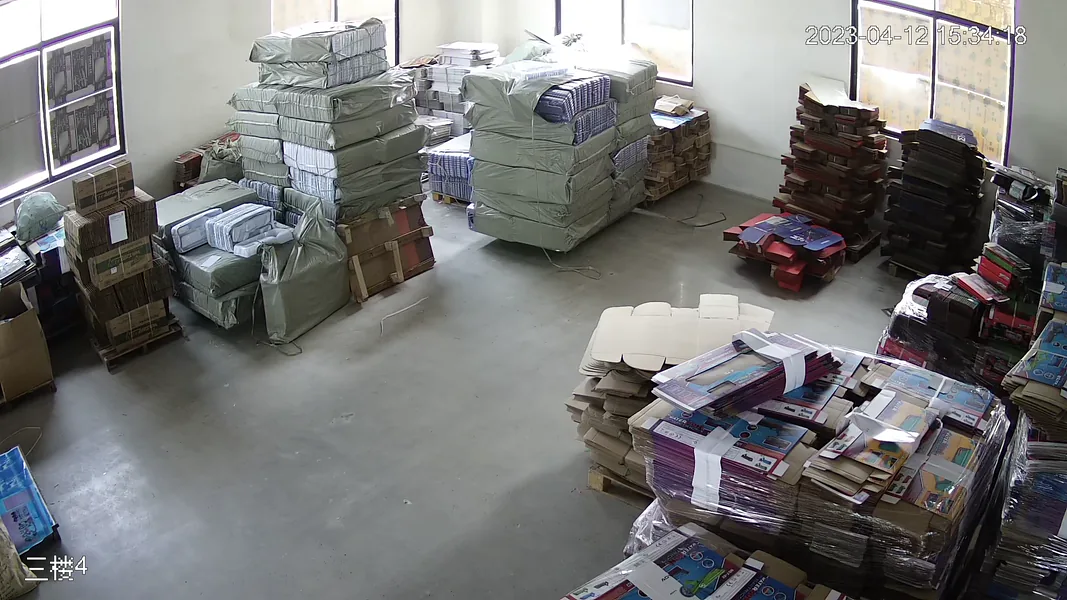
Chenghai, a district of Shantou in Guangdong province, ships roughly one-third of the world’s toys by volume. When US Customs and Border Protection (CBP) announced the eFiling rule through the CPSC’s Alpha Pilot, this region didn’t treat it as a distant regulatory change—it treated it as an existential supply-chain requirement. Walk through any mid-sized factory here in mid-2026, and you’ll see a dedicated compliance desk that didn’t exist three years ago. That desk isn’t decoration; it’s the node where third-party lab reports, batch production records, and shipping documents converge before the factory generates the XML filing.
The reason is pure economics. A rejected eFiling doesn’t just delay one shipment—it flags the importer of record (likely you, the buyer) in CBP’s system, raising the risk of future examinations. Factories that can’t produce a clean, machine-readable certificate lose repeat orders. The ones that survive 2026 are those that treat eFiling as a production step, not an afterthought.
For decompression toys—slow-rising squishies, gel-filled stress balls, silicone pop-its—the certification chain starts with the material. A factory in Chenghai may source TPE pellets from a domestic compounder, mold the body, and apply a surface coating. Each material layer requires its own ASTM F963 and CPSIA tracking label data. A supplier that can show you how those data points flow from the lab report into the eFiling XML isn’t guessing. They’ve built the workflow.
Key Areas in the Market: What a Prepared Factory Looks Like
When you’re comparing suppliers—whether through Alibaba, a trade show, or a sourcing agent—don’t ask “Do you do eFiling?” Every salesperson will say yes. Instead, look for four specific operational signals. We’ll use one Chenghai decompression toy line as a concrete example, but the principles apply to any factory you audit.
First, the Certificate Pre-Flight Check. A prepared factory runs a mock eFiling at least five business days before the estimated departure date. They enter the finished product’s CPSC-accepted lab report ID, the manufacturer identification code, and the harmonized tariff code into the CBP’s PGA message set. If the system returns a syntax error, they fix it while the goods are still on the packing floor, not when the vessel is already at Yantian port. Ask your supplier: “Can you send me a screenshot of the Accepted status from your last three filings?” Silence is a red flag.
Second, Batch-Level Traceability. CPSC eFiling ties the certificate to a specific production lot. A factory running a continuous, undocumented line cannot do this. The ones that can maintain a lot-code system—printed on the master carton and linked in their ERP to the raw-material receipt date, the molding machine number, and the QC pass timestamp. This sounds expensive, but in Chenghai, even factories with 30–50 workers have adopted simple QR-code tracking because it’s now a cost of doing US business.
Third, the Lab Relationship. A factory that sends one random sample to a cheap online lab a week before shipping is gambling with your inventory. A prepared factory has an ongoing relationship with a CPSC-accredited lab (think Bureau Veritas, SGS, or Intertek offices in Shantou) and runs pre-production material tests plus finished-product tests. They can show you a test plan, not just a single certificate. For decompression toys—squishy animal shapes, food-themed slow-risers—a competent factory runs a three-stage test: raw TPE migration test, in-process shore hardness check, and final ASTM F963 physical/mechanical. The final-stage report is what feeds the eFiling.
Fourth, the Packaging-Data Handshake. The CPSC certificate must reference the tracking label on the product and its packaging. This means the factory can’t print the tracking label after the fact. A prepared factory prints the tracking label—with manufacturer name, production date, batch code, and contact info—as part of the packaging run. OEM clients should receive a digital proof showing exactly where the tracking label sits on the retail box or polybag before mass production begins. If your factory sends you a packaging mockup without a tracking-label placeholder in mid-2026, you’re looking at a customs risk.
Tips for Foreign Buyers: How to Audit a Factory’s eFiling Readiness
You don’t need to be a regulatory expert to evaluate a supplier. You need a short, repeatable audit script. Here’s what we recommend you run during your next factory visit or video call.
Language: The CPSC eFiling speaks XML, not PDF. Ask the factory’s documentation person: “What PGA message set version are you using for the CPSC certificate data?” They don’t need to recite the version number. They need to understand the question. A competent factory will open a screen and show you the data-entry interface. A factory that only offers to email you a PDF certificate hasn’t transitioned to the electronic mandate.
Pricing: eFiling is not a direct surcharge, but it adds compliance labor. A factory that has built the workflow will include documentation costs in the FOB unit price transparently—typically $0.02–$0.08 per unit for decompression toys in OEM orders above 5,000 pieces, depending on the number of SKUs and test reports required. If a factory quotes you a separate, large “eFiling fee,” question it. The real cost is the lab testing and the in-house documentation time, which should be amortized across the order.
Contract Clause: Add one sentence to your purchase order: “Supplier shall provide a CPSC-accepted electronic filing confirmation at least 48 hours prior to vessel departure, and any demurrage or storage charges resulting from a rejected filing due to supplier error shall be borne by supplier.” This shifts the incentive where it belongs. In Chenghai, factories that are confident in their process accept this clause without pushback. Factories that aren’t will try to strike it. Let them try.
Sample Verification: Request a pre-production sample with the final tracking label affixed. This sample isn’t just for feel—it’s your chance to verify that the tracking label matches the data that will appear in the eFiling. Photograph the label. When the factory sends you the draft eFiling data, cross-check the manufacturer name and batch code. A mismatch here is a CBP red flag.
Inspection & Logistics Checklist: Before the Container Leaves Chenghai
Combine your standard QC inspection with an eFiling document check. Print this list and run it during the final random inspection or ask your third-party inspector to verify.
1. CPSC-accepted lab report ID: Confirm the report number matches the product, batch, and importer. The report must be from a lab in the CPSC-accepted directory, not a generic testing house.
2. Tracking label on product and packaging: Physically check five random retail units. The label must be permanently affixed, legible, and contain the manufacturer name, production date, and batch code. For a squishy toy, the label is often on a sewn-in tag or a hang tag—make sure it won’t fall off during transit.
3. Batch code match: The batch code on the carton, the retail unit, and the eFiling data must be identical. One digit off is a filing rejection.
4. Harmonized tariff code: Verify the HTS code the factory entered in the eFiling matches your import classification. For decompression toys made of TPE or silicone, this often falls under 9503.00.00, but confirm with your customs broker.
5. eFiling acceptance screenshot: The factory must send you a screen capture from CBP’s system showing “Accepted” status for your specific entry number. A PDF certificate is not a substitute.
6. FOB documents alignment: The commercial invoice, packing list, and bill of lading must reflect the same manufacturer name and address as the CPSC certificate. A factory using a trading company name on the commercial invoice while filing under the factory’s legal name will trigger a discrepancy.
When these six items align, your container moves from Yantian or Shekou port through US customs without a CPSC-related hold. A reliable OEM partner sends a pre-shipment eFiling pack containing these six items three days before departure. It’s a baseline requirement in 2026.
FAQ
What happens if my factory files the CPSC certificate incorrectly in July 2026?
CBP may refuse entry. Goods can be held at the port for examination or re-export, causing 7–14 days of delay and storage charges. A rejected filing also flags the importer for future scrutiny. The factory must detect the rejection early and re-file before the vessel arrives.
Can a small Chenghai factory with 20 workers handle CPSC eFiling?
Yes, if they’ve invested in the documentation process. Factory size matters less than their relationship with a CPSC-accredited lab and their internal batch-tracking system. Ask to see their last three successful eFiling acceptances, not their employee count.
Do I need a separate eFiling for each toy SKU in my OEM order?
Generally, yes. Each distinct product—different material, color, or design—requires its own certificate and eFiling entry. If multiple SKUs share identical materials and construction and were tested under a single production batch, some can be grouped. Your lab and customs broker will advise on grouping rules.
What packaging options work best for decompression toys under the new tracking label rules?
Retail-ready polybags with a printed card insert or a display box with a pre-printed tracking label panel are the most common in Chenghai. The tracking label must be visible without opening the inner packaging. For eco-friendly kraft boxes, ensure the label ink adheres to the uncoated surface and won’t rub off in transit.
How far in advance should I place an OEM squishy toy order to allow for eFiling and lab testing?
Add 10–14 business days to your production timeline for lab testing and eFiling data preparation. A typical 30-day OEM production cycle for 5,000 custom slow-rising squishies becomes a 40–44 day total lead time when you include pre-production material testing and final eFiling submission. Rush orders cram this window and increase the risk of a filing error.
Request a Quote
If you’re sourcing custom decompression toys—squishy animals, stress balls, or slow-rising food shapes—and need a factory that delivers the eFiling acceptance screenshot three days before sailing, reach out to SqueeZaa. Tell us your target FOB budget, MOQ expectations, and destination port. We’ll return a quote with a clear timeline that includes lab testing, packaging design, and the CPSC electronic filing step. A small toy should arrive without a customs surprise.
Source this range with SqueeZaa
SqueeZaa is the wholesale brand of CPS Toys Trading Co., Ltd. in Chenghai, Shantou. Send your product list, target market, quantity and packaging needs for FOB / EXW pricing, samples, certificates and OEM/ODM options.
Ready to source fidget and stress toys?
Browse the wholesale catalog or send an inquiry with your target category and quantity.
View all products Request a Quote