
Sourcing · Jul 13, 2026
How to Pack STEM Toys for Summer Camp Groups in 2026
Guide to bulk-packing STEM kits by camper count with clearly labeled outer cartons for easy instructor distribution. Covers grouping, labeling, and packaging standards.
In short: Guide to bulk-packing STEM kits by camper count with clearly labeled outer cartons for easy instructor distribution. Covers grouping, labeling, and packaging standards.
The most reliable way to keep a summer camp STEM session on schedule is to specify bulk packaging pre-sorted by camper count. The logistics headache isn't ordering 200 water-rocket kits — it's Monday morning when an instructor opens a master carton of 144 loose units and has to hand-count components for a group of 12. This guide covers exactly how to structure your bulk packaging so every carton arrives ready for a single instructor station, with outer labels that let staff grab and go. We'll walk through grouping strategies, label standards, packing ratios, and the key questions to put in your RFQ before you place a wholesale STEM toy order.
Why Bulk-Pack by Camper Count
Summer camp programs run on tight schedules. A typical 45-minute STEM activity slot can lose 15 minutes just to unpacking and distributing loose components. When you buy wholesale science kits for a camp, you're not just buying the product — you're buying the on-site experience. Pre-grouped packaging turns a chaotic materials table into a calm, structured session.
Each outer carton should serve exactly one instructor station or one defined group size. For a camp with 10 groups of 12 kids, you want 10 cartons, each containing 12 complete individual kits. The outer carton label should state the contents, group size, and activity name in large, readable text — no one should need to open the box to know what's inside.
This approach also reduces waste and loss. When components are bulk-packed in a single giant box, small parts get dropped, mixed across groups, or vanish into the grass. A pre-sorted carton limits the blast radius: if something is missing, it affects one group, not the entire camp.
Popular STEM Toy Picks for Camp Groups
Not every STEM toy packs well for camp environments. The best candidates are self-contained kits with minimal loose parts, no liquids that can spill in transit, and a per-child price that keeps the activity budget-friendly. Here are the formats that work well in outdoor and multipurpose-room settings.
Water rockets and air-powered launchers are a camp classic. A foot-pump rocket launcher teaches physics concepts — air pressure, reaction force, parabolic trajectory — while keeping kids physically active. The key for bulk packing is that each launcher base ships with the correct number of rockets, and replacement rockets are available separately.
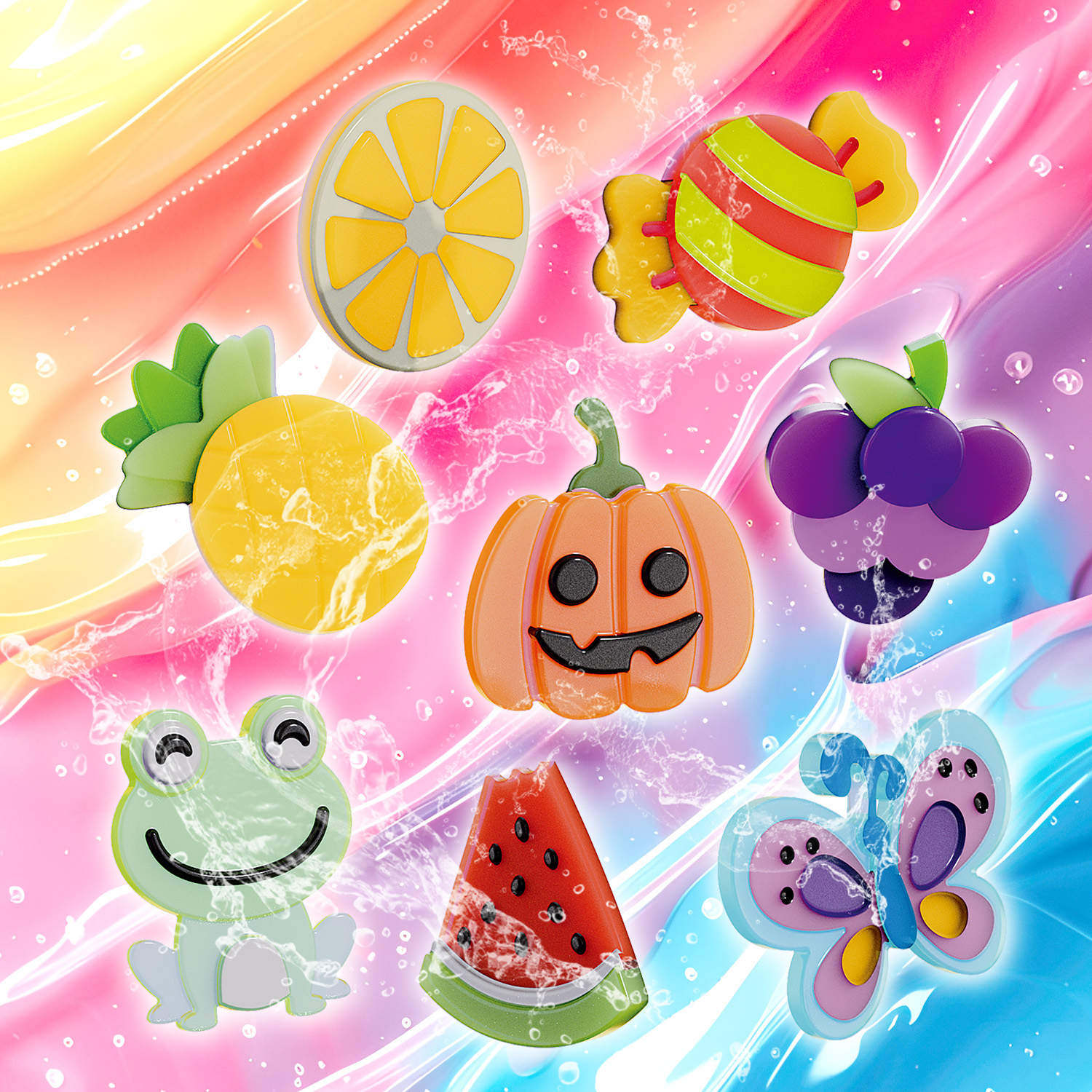
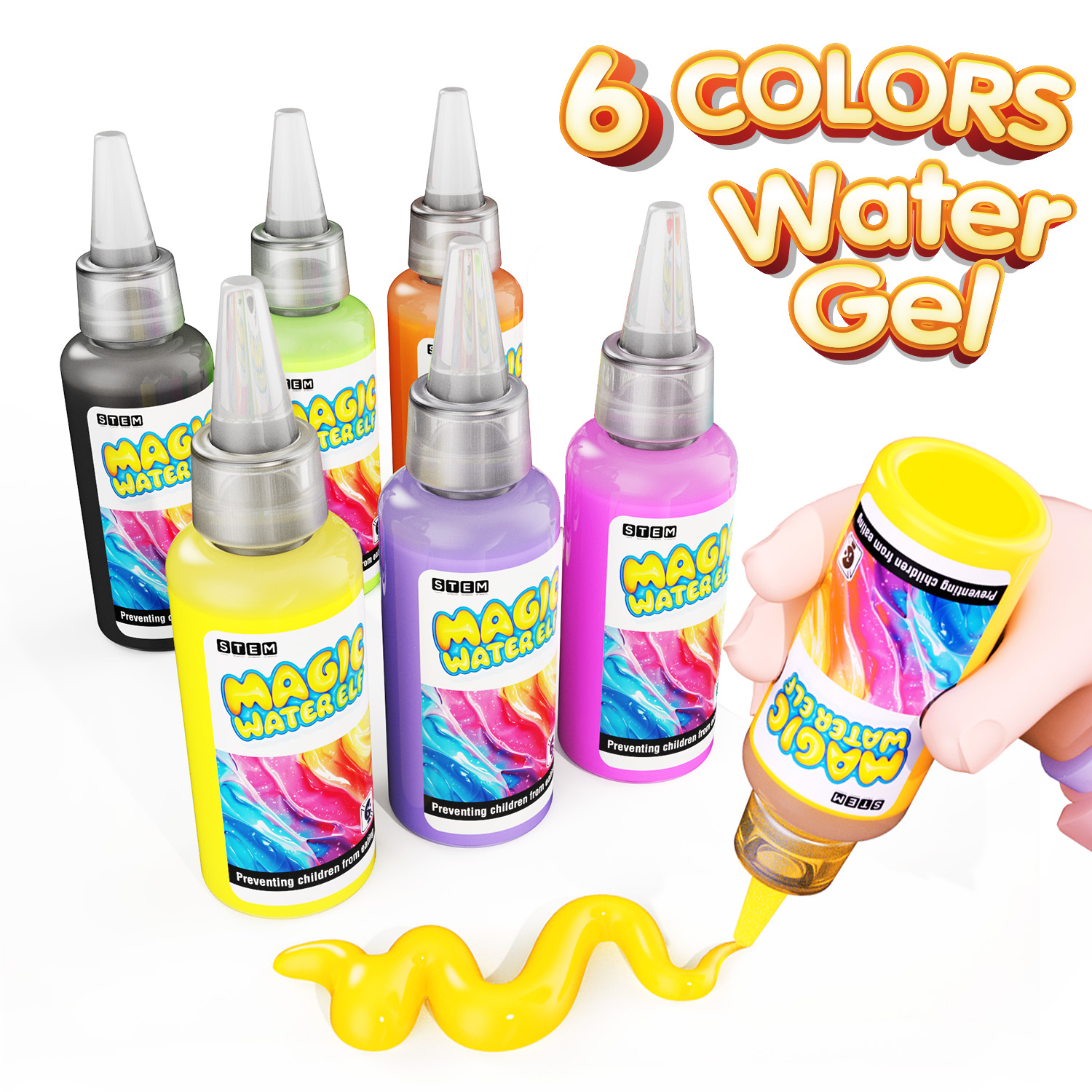
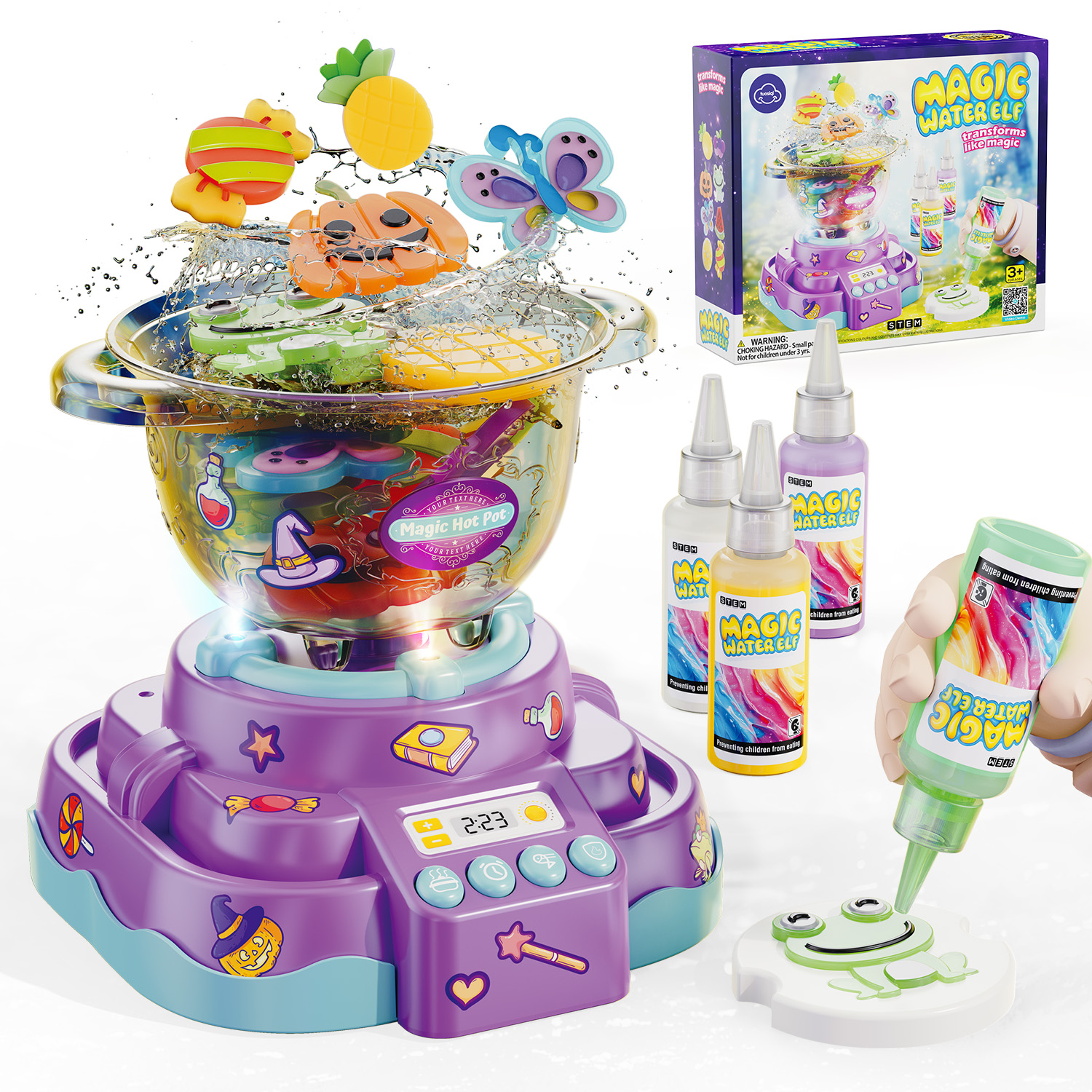
Self-contained liquid-play sets, such as a Magic Water Elf kit, let kids create squishy gel figures in a sealed water bath. The components stay inside the tray, which means far less mess on picnic tables. Because each kit is self-contained, it's straightforward to pack exactly 12 or 24 units per outer carton.
Snap-together robotics kits with motors, gears, and sensors engage older campers. The packaging challenge here is that these kits often have many small pieces. A smart packing strategy is to request that each individual kit is heat-sealed in a printed polybag with a checklist card inside, so campers can verify they have all parts before starting.
Packing by Theme and Group Size
Camp directors often organize activities by age group or theme: junior campers do simple chemistry, seniors do robotics. Your packaging should mirror that program structure. If the camp runs a 'Space Week' theme, you might order water rockets for ages 6–8, stomp rockets for ages 9–11, and solar system model kits for ages 12–14. Each age band gets its own set of cartons, labeled with the theme name and age range.
For multi-activity rotation models — where groups cycle through stations — pack each station's materials into a single carton. A station box for 'Sink or Float' might contain 12 individual experiment trays, 12 instruction cards, and one instructor guide, all in one clearly marked outer box. The station name printed on the box should match the camp's printed schedule.
When activities share consumables, plan your packing ratios carefully. If every 12-kid group doing a slime-making activity consumes one bottle of activator per session, include that bottle count inside the group carton. Don't ship activators in a separate bulk drum and expect instructors to portion them out — that's the exact moment the schedule falls apart.
How to Specify Packaging in Your RFQ
The time to set your packing requirements is before the purchase order, not after. Most wholesale STEM toy suppliers ship in standard master cartons — typically 48, 72, or 144 units per box, with inner boxes of 12 or 24. If your camp groups are 15 kids, a standard 12-unit inner carton creates an immediate mismatch. You'll either need the supplier to repack into 15-unit bundles or you'll need to adjust your group sizes to match the standard pack.
A strong RFQ for camp-packed STEM toys includes these specifications: the exact unit count per outer carton, the label format (printed shipping mark on at least two sides), the color or number coding system for different age groups or stations, and whether individual kits must be polybagged with component checklists. Also specify if you need the cartons to be lightweight enough for one person to carry — a 25-kg box of robotics kits is not something a teenage counselor can easily move between picnic tables.
Carton durability matters because camp deliveries often sit on damp grass, get rained on briefly, or are stacked in unconditioned storage sheds. Request that outer cartons use moisture-resistant corrugated board and that any paper instruction sheets inside individual kits are coated or laminated against wet hands.
Packing Specification Checklist
| Units per outer carton | Must match exact camper group size (e.g., 12, 15, 20). Standard inner packs of 12 or 24 are common; non-standard counts may require repacking and affect unit cost. |
|---|---|
| Carton weight limit | Specify a maximum of 15–18 kg per carton for easy handling by camp staff. Heavier cartons risk injury and slow down setup. |
| Outer label format | Require printed shipping marks on at least two adjacent sides showing: activity name, group size, station number (if applicable), and age range. Font size large enough to read from 2 meters. |
| Color coding by station | Request different-colored carton tape or printed corner marks for each station or age group. Makes sorting a pallet into station piles nearly instant. |
| Individual kit packaging | Heat-sealed polybag with a printed component checklist card inside. Prevents lost parts and lets campers self-audit at the start of the session. |
| Carton moisture resistance | Moisture-resistant corrugated board (at minimum B-flute). For outdoor-only camps, consider a water-resistant coating or a polyethylene liner bag inside the carton. |
| Instruction materials | Instructor guide should be in a separate polybag or taped to the inside lid of the outer carton. Individual camper instruction cards should be coated stock or laminated. |
What to Ask Suppliers Before You Order
Most STEM toy suppliers are accustomed to retail-ready packaging, not camp-ready packaging. You'll need to be explicit. Start with these questions.
First, ask whether the supplier can repack into custom unit counts. Many factories will do this for a modest repacking fee, typically quoted per carton, but they need advance notice — it can't be a last-minute add-on after the goods are already in the warehouse. Second, ask for a photo of the exact outer carton label layout before production begins. A quick WhatsApp photo can prevent an entire shipment arriving with labels that are too small or missing critical information.
Third, ask about the inner polybag printing. If your camp has a daily schedule, printing the day and station name directly on the polybag eliminates any confusion when a camper picks up the wrong kit. Finally, confirm the weight and dimensions of the packed carton — not just the product specs — so you can plan your camp's receiving and storage layout before the pallets arrive.
FAQ
Can a supplier pre-pack STEM kits by exact group size, or do I have to accept standard inner carton counts?
Most manufacturers default to standard inner packs of 12, 24, or 48 units. Custom repacking to match your exact group size (e.g., 15 or 20 units per carton) is possible. Expect a repacking surcharge per carton and plan for this at the RFQ stage, not after production.
What's the best label format to put on outer cartons for camp distribution?
A printed shipping mark on two adjacent sides, with the activity name, group size, station number, and age range in a font readable from 2 meters away. Color-coded tape or corner marks by station let staff sort a full pallet in under a minute without reading every label.
Should individual kits inside the carton be polybagged?
For kits with multiple small components, a heat-sealed polybag with a printed component checklist card inside keeps parts together, prevents loss, and lets campers verify they have everything before the activity starts.
How do I prevent carton damage when camp deliveries sit outdoors or in damp storage?
Specify moisture-resistant corrugated board (B-flute minimum) for the outer carton. For camps that store materials in unconditioned sheds or on grass, also request a polyethylene liner bag inside the carton and coated or laminated instruction sheets.
What's a realistic carton weight limit for one person to carry?
Keep each outer carton under 18 kg. A 15 kg target is safer for teenage counselors or staff moving multiple cartons between activity stations. If a kit is heavy, reduce the unit count per carton rather than putting 25 kg in one box.
When should I finalize packaging specifications — before or after the order?
Before the purchase order. Packaging requirements like custom unit counts, label layouts, and moisture protection need to be locked into the proforma invoice and factory work order. Changing them after production starts usually means delays and additional charges.
Related Products & Categories
Request a Quote for Camp-Ready STEM Kits
If you're sourcing STEM toys for a summer camp program and need them packed by group size with clear outer carton labels, we can help. SqueeZaa works with buyers to specify packaging that matches your camp's exact session structure. Explore the Magic Water Elf STEM Play Set as a mess-free option for younger campers, or reach out to discuss your full kit list and packing requirements.
Source this range with SqueeZaa
SqueeZaa is the wholesale brand of CPS Toys Trading Co., Ltd. in Chenghai, Shantou. Send your product list, target market, quantity and packaging needs for FOB / EXW pricing, samples, certificates and OEM/ODM options.
Ready to source fidget and stress toys?
Browse the wholesale catalog or send an inquiry with your target category and quantity.
View all products Request a Quote