
Sourcing · Jul 11, 2026
How to use Chinese factory compliance docs for US tariff refunds in 2026?
Learn how to use Chinese factory compliance docs (certificates of origin, supply chain records) for US tariff refunds in 2026. Practical steps for importers.
In short: Learn how to use Chinese factory compliance docs (certificates of origin, supply chain records) for US tariff refunds in 2026. Practical steps for importers.
To get a US tariff refund on Chinese toy imports, you need either a Certificate of Origin (CO) proving goods qualify under a free trade agreement (e.g., USMCA or GSP) – or, for non-originating goods, supply chain traceability docs (bills of materials, production logs, supplier invoices) to support a duty drawback claim. This guide covers exactly which compliance documents to request from your Chinese toy manufacturer, how to verify them for US Customs (CBP) audit-readiness, and the step-by-step process to file for refunds under the 2026 tariff landscape.
The 2026 window is tight: a Supreme Court ruling on tariff overpayments and CBP's duty drawback modernization push mean importers who act now can recover past overpayments and reduce future costs. Sloppy documentation gets your claim rejected. This guide distills what a toy-specific importer needs – from CO formats to supply chain affidavits – so you don't leave money on the table.

What compliance documents do I need from my Chinese toy factory for a US tariff refund?
China is not a GSP beneficiary country for most products as of 2026, so focus on duty drawback or post-importation tariff refunds via protest. The core documents fall into three buckets: origin evidence, production records, and customs entry proof. Origin evidence is typically a Certificate of Origin (CO) – either issued by a Chinese chamber of commerce or self-certified by the factory under a program like the US Generalized System of Preferences (GSP) or a bilateral FTA. For toys, the most common claim is under GSP (if the factory is in a beneficiary country) or duty drawback if the goods were imported and later exported.
Production records include bills of materials (BOM), factory production logs, and supplier invoices that prove the product's origin, materials, and manufacturing timeline. Customs entry proof means your CBP Form 7501 entry summary, duty paid receipts, and any prior ruling letters. Without these three layers, CBP will reject your refund claim as 'insufficiently documented.'
How much money can I recover with proper compliance docs?
The biggest benefit is direct cash recovery. According to US Customs and Border Protection (CBP), importers can file a duty drawback claim within three years of importation – if you've overpaid tariffs due to misclassification or have goods re-exported, you can recoup up to 99% of duties paid. For a typical toy container with $20,000 in duties, that's a $19,800 refund. Second, proper compliance documentation streamlines future imports – CBP's Trusted Trader programs (like C-TPAT or ISA) give reduced exam rates and faster clearance when you maintain clean records. Third, having factory origin docs on hand lets you negotiate better terms with your supplier, since you can prove which materials actually qualify for preferential treatment.
In 2026, with tariff rates on Chinese toys still elevated (25% under Section 301 tariffs plus potential Section 232 adjustments), every dollar saved matters. Smart importers who pre-submit their compliance docs via CBP's online drawback portal can see approvals within 60 days, versus 6–12 months for paper filings.
Certificate of Origin, BOM, production logs: what to ask your factory for
Certificate of Origin (CO) – Ask your factory for a 'Form A' or 'Form B' certificate issued by the China Council for the Promotion of International Trade (CCPIT) or the local chamber of commerce. The CO must show the product's HS code, origin criteria, and exporter details. For self-certification under the USMCA, the factory must have a valid USMCA certification on file. For duty drawback claims, a CO is not required but strengthens your case.
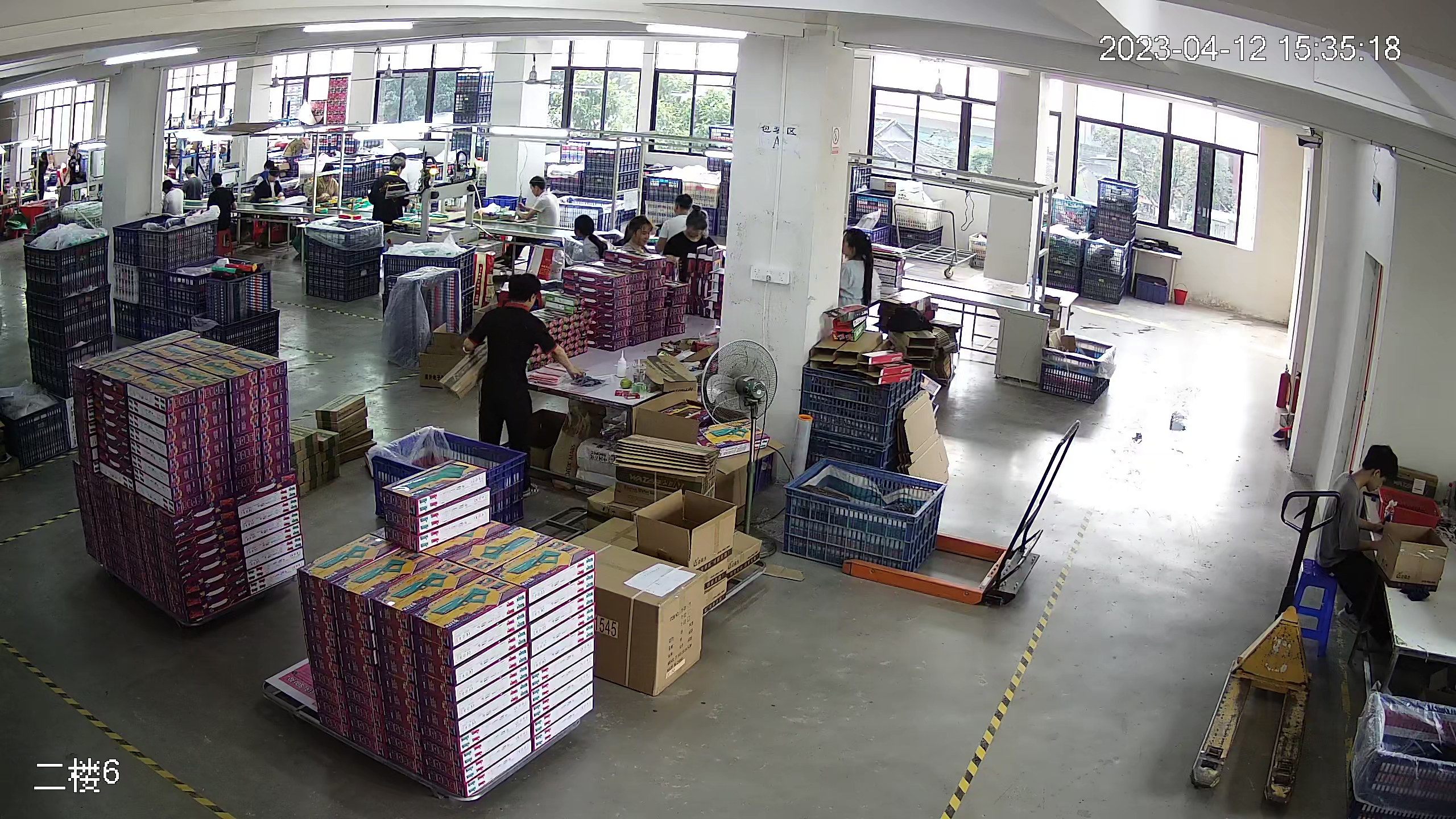
Bill of Materials (BOM) – Request a detailed BOM listing every component, its country of origin, and the factory's supplier. For toys, include the plastic resin supplier (often Chinese), the textile mill for plush, and the packaging materials. Without this, CBP may challenge whether the product 'substantially transformed' in China.
Factory production logs – Get production records showing the manufacturing date, batch numbers, and quality control checks. These prove the goods were actually produced in the claimed timeframe and location. A simple Excel sheet signed by the factory manager often suffices.
Supplier invoices – Collect invoices from the factory's raw material suppliers, ideally with Chinese customs export declarations. This triangulates the origin story and helps CBP verify no transshipment occurred.
Compliance doc checklist for tariff refund claims (2026)
| Document type | Certificate of Origin (CO) |
|---|---|
| What to check | Issuing authority (CCPIT or chamber of commerce), correct HS code, origin criteria clause, exporter name matches your supplier |
| Red flag | CO dated after the shipment date; vague origin criteria (e.g., 'wholly obtained' when product uses imported components) |
| Document type | Bill of Materials (BOM) |
| What to check | Every component listed with country of origin; quantities match actual production; include packaging materials |
| Red flag | Missing origin for key materials (e.g., plastic pellets from unknown source); BOM totals don't match production volume |
| Document type | Factory production logs |
| What to check | Manufacturing dates, batch numbers, QC signatures; should align with shipping dates |
| Red flag | Dates outside the import period; no batch traceability; unsigned or generic logs |
| Document type | Supplier invoices |
| What to check | Invoice date, product description, quantity, Chinese customs export declaration number |
| Red flag | Invoices from shell companies; declaration number doesn't match CBP data; price anomalies |
| Document type | Customs entry proof (CBP Form 7501) |
| What to check | Entry number, duty paid amount, classification (HTSUS), importer of record |
| Red flag | Entry number not matching your records; duties paid less than claimed; incorrect importer name |
How to file a tariff refund using factory docs: step-by-step
Collect and verify all compliance docs from your Chinese factory. Use the checklist above. If any doc is missing or suspicious, ask for a corrected version before filing.
Determine the correct refund type – duty drawback (for re-exported or unused goods) or protest (for classification or rate errors). Most toy importers use duty drawback under 19 USC § 1313.
File electronically via CBP's Automated Commercial Environment (ACE) using the 'Drawback' entry type. Attach scanned copies of the factory CO, BOM, production logs, and supplier invoices as supporting documents.
Wait for CBP review (typically 30–90 days). If CBP asks for additional evidence, respond within 30 days with a cover letter explaining the factory doc chain.
If approved, receive refund via check or electronic transfer. If denied, you can appeal via a petition to CBP's Office of Trade within 90 days.
Common pitfalls with Chinese factory docs that get your tariff refund denied
CO issued after shipment date. CBP requires the CO to be issued at or before the time of export. If your factory backdates it, your claim gets flagged.
BOM missing foreign components. If your toy uses imported plastic resin from Vietnam, you must disclose it. CBP may deny the claim if they find hidden foreign content during audit.
Production logs don't match shipment quantity. A factory log showing 10,000 units but the CO for 12,000 units raises transshipment red flags. Reconcile all quantities first.
Supplier invoices not notarized or in Chinese only. CBP requires English translations and preferably notarized copies. Many Chinese factories provide Chinese-only invoices – demand a certified translation.
FAQ
Can I get a tariff refund if my Chinese toy factory doesn't have a CO?
Yes – for duty drawback claims, a CO is not mandatory. You can substitute production logs, BOM, and supplier invoices to prove the goods were imported and then re-exported or unused. But a CO makes the claim stronger and faster.
How far back can I claim tariff refunds in 2026?
Under US law, you can file a duty drawback claim up to three years from the date of importation. For goods imported in 2023, the deadline is 2026. For protest-based refunds, you have 180 days from the date of liquidation (usually the entry date).
What if my factory's documents are in Chinese only?
CBP accepts English translations only. You must provide a certified translation – either by the factory or a third-party translator. Notarization is strongly recommended but not always required.
Do I need a customs broker to file a tariff refund?
You can file directly via ACE, but most importers use a licensed customs broker or a duty drawback specialist. The software and regulatory complexity make a broker cost-effective for most first-time claims.
How long does the refund process take in 2026?
Electronic filings via ACE typically take 30–90 days for initial review. If CBP requests additional docs, add 30–60 days. Paper filings can take 6–12 months.
Request a Quote
Need a Chinese toy manufacturer that provides complete compliance docs – including CO, BOM, and production logs – ready for US tariff refunds? Contact our team to discuss your OEM/ODM project and get documentation support from day one.
Source this range with SqueeZaa
SqueeZaa is the wholesale brand of CPS Toys Trading Co., Ltd. in Chenghai, Shantou. Send your product list, target market, quantity and packaging needs for FOB / EXW pricing, samples, certificates and OEM/ODM options.
Ready to source fidget and stress toys?
Browse the wholesale catalog or send an inquiry with your target category and quantity.
View all products Request a Quote