
Custom Fidget Toy Factory Visit: What a Small-Batch Test Order Actually Proves
A day at the factory for custom fidget colors and logos: which files stop the visit, what to inspect on samples, and the records to walk out with.
A small-batch test order for custom colors and logos is a document-and-sample exercise, not a price negotiation: you walk in, check three files, open three samples, and leave with a batch record. No record, no test order. For novelty importers, fidget distributors and gift retailers, that sequence is how a stock-color item becomes a private-label SKU without turning into a magnet or small-parts recall. What follows is the one-day audit: what to read at the door, which detail to open on the sample, and exactly which paperwork to carry out.
At the door
Before you sit down in the meeting room, ask for the documents that decide whether the visit continues at all. If any of the three below is missing, stop and reschedule — a factory that cannot produce them in ten minutes will not produce them during a recall.
The first is a material declaration for the resin or foam actually used in the body, linked to a lot number. The second is the colorant and coating list: pigment type, supplier, and whether the finish is molded-in color or a separate paint or print operation. The third is a current packaging artwork file showing where the lot or batch code will be printed. That last one matters more than buyers expect — a batch code on the package is what lets you isolate stock and answer a complaint when a material or color changes mid-program.
Watch the walk from the gate to the assembly line, not the showroom. In a fidget-toy line, the location of the magnet or small-parts station tells you how the factory thinks about the category. If loose magnets sit at an open bench next to finished goods, that is a process answer, and it is not the one you want.
This is also where a supplier's own color range vs. a custom build separates. Stock colors mean you buy an existing molded part — faster, cheaper, and usually already tested as a configuration. A custom color or logo means the part changes: new pigment, new artwork, possibly a new mold texture. Both are legitimate; they are not the same order, and the paperwork above is what keeps them apart.
On the sample
Open the sample at the point of failure, not the point of beauty. For a fidget toy, that means the magnet or small component, the seam, and the printed or molded logo — in that order, with the sample from the current test batch in hand.
Start with the magnet or small part. Check whether it is fully encapsulated, whether it can be dislodged by hand, and whether it fits a small-parts cylinder. According to US Consumer Product Safety Commission recall records published in 2026, the hazard pattern is consistent across the category: magnetic fidget ball sets, magnetic chess games, magnetic stick-figure sets, a Montessori busy board with detachable magnets, and a magnetic speed cube packaged with loose magnets were all recalled for ingestion hazards from loose high-powered magnets that violate the mandatory standard for toys. The failure is loose or detachable magnets, not the toy concept itself.
Then the color. If the color is molded-in, ask whether it is a masterbatch or a compounded pigment, and whether the supplier keeps a retained color standard to match against. If the color is painted or printed, ask for the adhesion test method and the migration test conditions used for that material and age grade — migration testing is material- and use-specific, and different colors, coatings and age grades can require different extraction conditions. A supplier who answers "same as always" has just told you there is no standard.
Finally the logo. A printed logo on a curved or soft body is a wear point; a molded-in logo is not. If the logo is molded, ask whether the tooling change was done by texturing or by a new insert — mold texturing can give repeatable surface appearance without a separate paint step, but it changes draft angle and how defects show up under light. Then ask the one question that closes the loop: "Show me the first-off sample from this tool and the last production part from this color run, side by side."
Before leaving
You leave the factory with four items or you leave with an open question. Do not let a verbal yes substitute for any of them.
First, a signed or stamped sample record: the exact color reference, the artwork version, the material grade, and the date the sample was made. Second, the batch or lot code that will appear on the retail package, and where it sits in the artwork. Third, the test scope for this specific configuration — which standard the factory is testing to, for which age grade, and which material-and-color combination was actually submitted. Fourth, the color standard: a physical retained chip or a defined reference the factory agrees to match against on every reorder.
Where a supplier cannot supply one of these, write unknown. Do not fill the gap with a promise. The reorder risk in custom colors and logos is not the first run; it is the fourth run, when the pigment lot changed and nobody kept the standard.
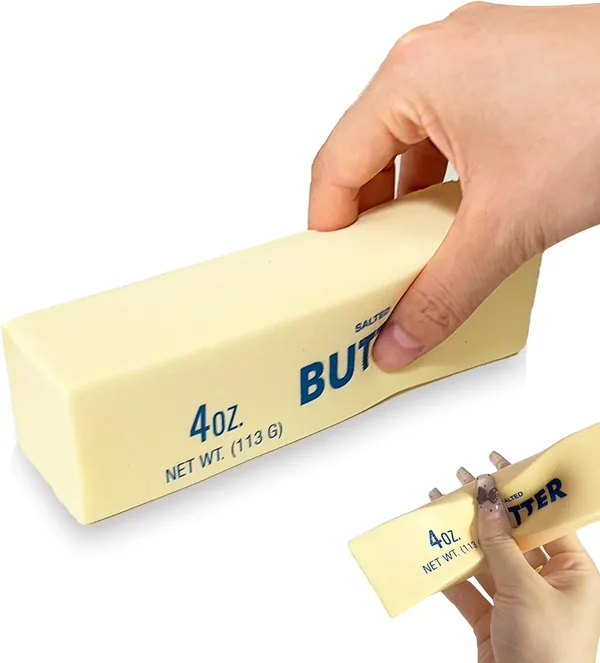
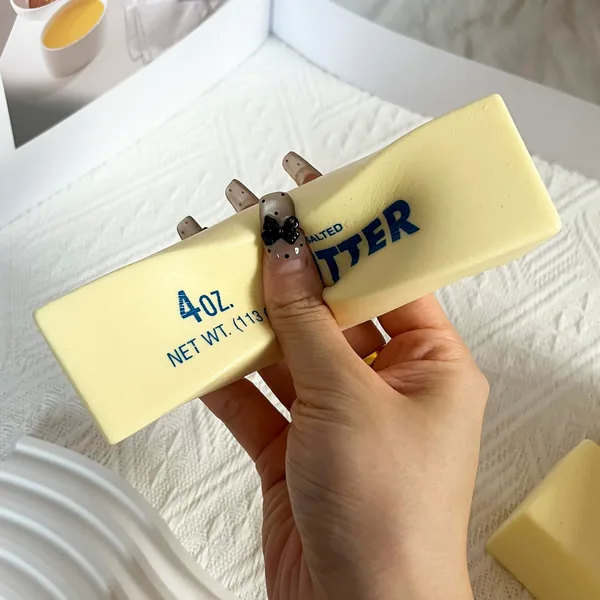
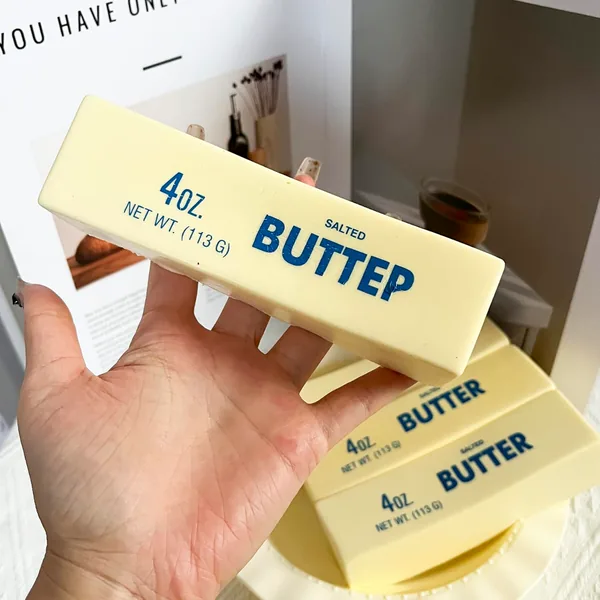
A documented configuration looks like this: a slow-rebound PU foam stress item with a printed or molded body, sold with a defined color reference and a batch code on the display box, priced in the low single-digit USD per unit at four-figure quantities. Those figures come from a specific approved sample and quote, not a category average — treat them as the shape of the record you should be holding, not as a benchmark for your own program.
Stock color vs. custom color vs. custom logo: what changes in the audit
| Stock color, no logo change | Audit focus: existing test report and current packaging artwork. Fastest path; the color is already a tested configuration. MOQ and price: varies by spec and current quote. |
|---|---|
| Custom color, same tooling | Audit focus: pigment declaration, retained color standard, migration test conditions for the material and age grade. Tooling unchanged; color becomes the variable. MOQ and price: varies by spec. |
| Custom logo, printed | Audit focus: artwork version control, adhesion and wear testing, first-off vs. last-part comparison. Highest reorder drift risk. MOQ and price: varies by spec. |
| Custom logo, molded (new insert or texture) | Audit focus: tooling change record, draft and defect visibility, first-off sample retained. Slower and costlier up front, most repeatable across reorders. MOQ and price: varies by spec. |
| Magnet or small-part component present | Audit focus: encapsulation, dislodge test, small-parts cylinder check, and the applicable mandatory standard for toys. Applies across all rows above. |
FAQ
What packaging and labeling options should I ask about for private-label custom fidget toys?
Ask for the packaging artwork file first, because labeling is where private-label programs fail. Confirm where the lot or batch code is printed, who owns the artwork version, and whether the same code appears on inner and outer packaging — a batch code on the package is what supports complaint investigation and stock segregation if the product or material changes.
What MOQ should I expect for a custom color or logo test order?
MOQ is set by the specific configuration — stock color, custom pigment, or a tooling change — so treat any single number as configuration-specific. The only reliable approach is to request a quote against your exact color reference, artwork version, packaging and destination; if the supplier will not break out those variables, the MOQ is not yet a real number.
How do I compare suppliers for custom stress balls and logo stress balls?
Compare them on evidence, not on samples alone. Ask each candidate for four items: the material declaration with lot traceability, the colorant list, the test scope for the exact material-and-color combination, and a retained color standard. A supplier who can produce all four for a previous program is comparable; one who can only produce a nice sample is not.
Are magnetic fidget toys still safe to import?
The risk is not magnets in general — it is loose or detachable high-powered magnets, which is the hazard pattern behind multiple US recalls published in 2026 covering magnetic ball sets, chess games, stick-figure sets, a busy board and a speed cube. If your product contains magnets, the audit question is encapsulation and dislodge resistance, and the test scope must match the final configuration.
What is the single document that should stop a factory visit?
The material declaration tied to a lot number. Without it you cannot connect the molded part to a material supplier, and if a later chemical or mechanical result changes, there is no investigation path. Missing it on the day usually means it is missing at reorder too.
How do I keep color consistent across reorders?
Keep a physical retained color standard and name it in the purchase order, along with the pigment declaration and the artwork version. Color drift almost never appears on run one; it appears when the pigment lot changes and no one has a reference chip to match against.
Sources
Related Products & Categories
Request a quote or a factory audit
Bring your color reference, artwork version and destination market, and ask for a quote against that exact configuration plus the four records above. If you want to start from an existing configuration before going custom, look at the fidget cubes and puzzles range, then move to a small-batch test order once the sample record is signed. SqueeZaa is one supplier that runs this audit format; the four records above are what you should demand from any factory you shortlist.