
Supplier · Jun 15, 2026
Why ±0.02mm Precision Matters in Classic Plastic Building Blocks
A factory sourcing specialist explains why ±0.02mm precision is critical for block compatibility and durability, and how to evaluate Chenghai/Shantou suppliers in 2026.
In short: A factory sourcing specialist explains why ±0.02mm precision is critical for block compatibility and durability, and how to evaluate Chenghai/Shantou suppliers in 2026.
A US startup recently sourced classic plastic building blocks from three different factories in Chenghai. None of the bricks clicked together with the major brand bricks they had tested. The problem: tolerance stacking. Their blocks were off by as little as 0.05mm, and that was enough to make a 200-piece build fall apart. If you are buying compatible building blocks—the kind that snap onto a leading global brand's baseplate—you need ±0.02mm precision on every stud and cavity. This page covers what that precision means, why it separates good factories from bad ones, and how to evaluate a supplier's mold-making, material sourcing, and quality control to ensure your blocks actually fit.
The information here is based on over a decade of experience in Chenghai's block manufacturing ecosystem. It is written as a guide for first-time buyers evaluating factories.
Top Manufacturers of Classic Plastic Building Blocks
| Manufacturer | Specialty |
|---|---|
| MOQ | Suitable For |
| Factory A (Chenghai, Guangdong) | High-precision ABS blocks with multi-cavity molds |
| 500–1,000 sets per SKU | Brands requiring tight tolerance (±0.02mm) and custom color matching |
| Factory B (Shantou, Guangdong) | Educational brick sets with printed or pad-printed patterns |
| 300–500 sets per SKU | Startups and distributors needing lower volume trial runs |
| Factory C (Yiwu, Zhejiang) | Budget blocks for domestic and price-sensitive markets |
| 1,000–2,000 sets per SKU | High-volume, low-cost orders where ±0.05mm tolerance is acceptable |
| Factory D (Chenghai) | OEM/ODM blocks with custom packaging (polybag, display box, FBA-ready) |
| 480–960 sets per SKU | Private label brands requiring retail-ready packaging and quick turnaround |
Specialties & Selection Criteria: What to Look For in a Block Factory
The ±0.02mm specification is not a marketing claim—it is a mechanical necessity. A brick's stud diameter must be 4.82mm ±0.02mm, and the cavity inside must be 4.90mm ±0.02mm. If the stud is 0.03mm too large, the brick will not fit. If the cavity is 0.03mm too small, the brick will jam. Every cavity in a multi-cavity mold (24, 48, or even 72 cavities) must hold that tolerance across thousands of production cycles.
To deliver that precision, a factory needs three things: high-grade steel molds (preferably from a dedicated mold shop within Chenghai's 2,000+ mold suppliers), virgin ABS resin with a consistent melt flow index, and a temperature-controlled injection molding machine that holds ±1°C barrel temperature. Factories that cut costs by using recycled ABS or by cooling molds too fast to speed cycle time produce warped bricks that click once and then pop off.
Material is the second pillar. The best blocks use virgin ABS—typically from LG Chem or Chi Mei—with imported color masterbatch that does not fade after 500 hours of UV exposure. Cheap masterbatch can cause the surface to become chalky within six months. The difference in surface gloss and feel is immediate when handling samples.
Certifications matter. A factory that can show ASTM F963 and EN 71 test reports for its ABS blocks is one that has invested in compliance. Ask for the batch-specific test certificate, not a generic PDF. Also check for phthalate and heavy metal testing—especially for blocks intended for children under three.
Finally, look at the mold maintenance records. A factory that re-grinds its mold cavities every 50,000 cycles and replaces worn ejector pins is a factory that cares about consistency. Ask for the mold maintenance log. If they hesitate, that is a red flag.
China's Toy Bases: Shantou & Yiwu
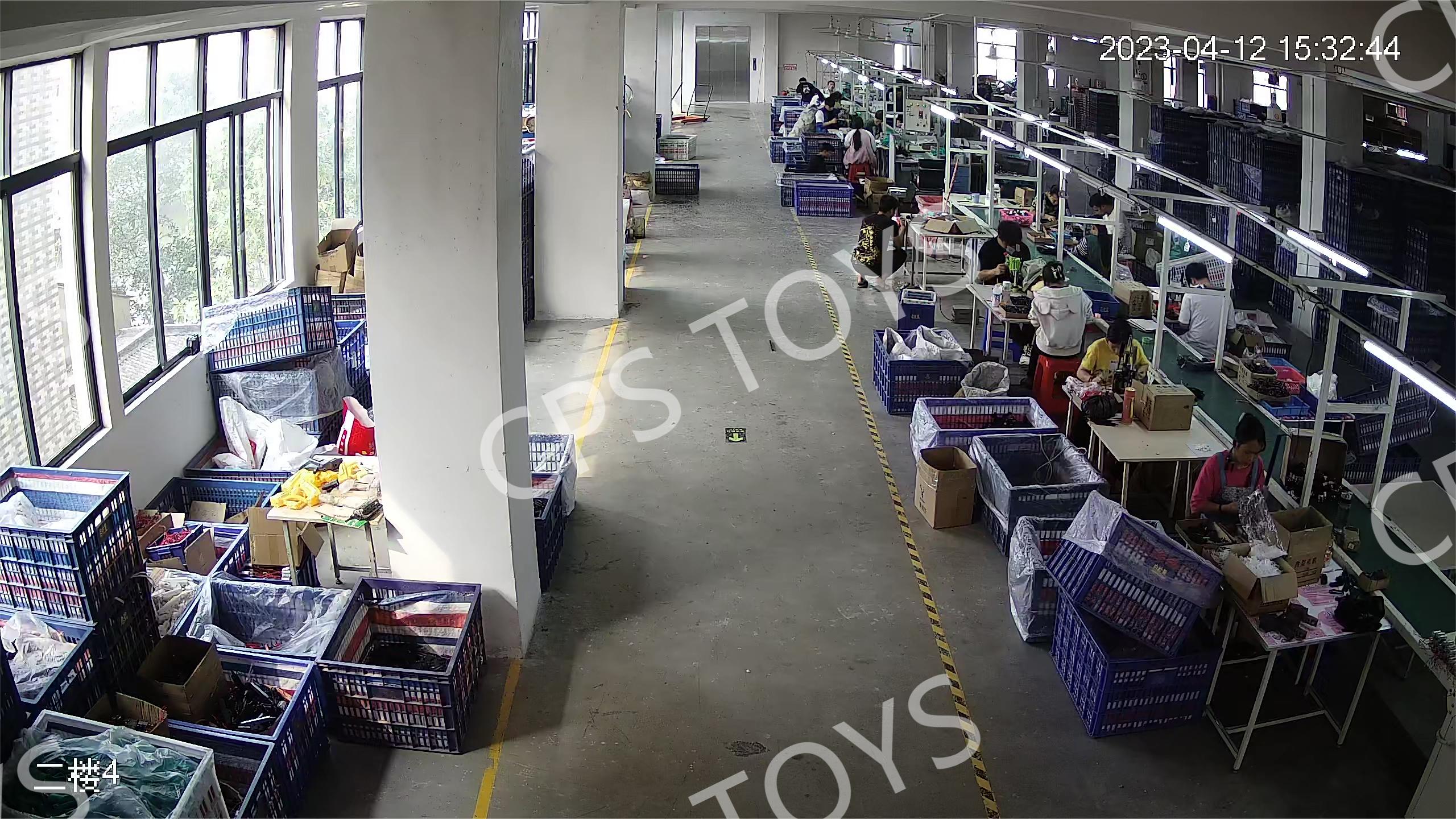
Chenghai, a district within Shantou city in Guangdong province, is the undisputed capital of plastic block production. It covers only 345 square kilometers but houses over 10,000 toy-related enterprises, 30,000+ workers, 2,000+ mold shops, 500+ spray-painting and printing factories, 300+ packaging plants, and 100+ electronics component suppliers. This density means a block factory can source a new mold in 3 days and have it cutting steel in 7 days. No other region on earth offers that speed.
Shantou proper (which includes Chenghai) specializes in precision injection molding because the entire supply chain—from CNC machining to laser welding—is within a 15 km radius. If a buyer asks for a custom brick shape (say a 2x3 plate with a unique stud pattern), a Shantou mold shop can design and cut the steel in 2 weeks. That is not possible in Yiwu.
Yiwu, in Zhejiang province, is a trading hub for budget toys. The blocks you find there are often made from lower-grade ABS or even polypropylene, with tolerances of ±0.05mm to ±0.1mm. They are fine for single-use promotional items or markets where fit is not critical. But if you need compatibility with a major brand, Yiwu is not the right origin. Yiwu excels at speed-to-market for simple, low-cost items. For precision blocks, you go to Chenghai.
The supply chain advantage in Chenghai is not just about cost—it is about iteration. A buyer can land in Shantou, visit three mold shops in the morning, tour a block factory at lunch, approve a color masterbatch sample by 3 PM, and have a first shot of 500 bricks by the next afternoon. That speed of iteration is why global brands source from Chenghai.
Sourcing Method Comparison: Centralized vs. Decentralized Procurement
| Method | Advantages |
|---|---|
| Centralized (single factory) | Consistent quality, easier QC, lower per-unit price at scale |
| Risks | Single point of failure; if the factory delays, you are stuck |
| Decentralized (multiple factories) | Spread risk, compare prices, test different mold designs |
| Risks | Inconsistent tolerances, higher management overhead, shipping consolidation challenges |
| Hybrid (one lead factory + backup) | Best of both: volume discount from lead factory, insurance from backup |
| Risks | Requires strong contract terms and regular audits of both factories |
How to Choose the Right Channel for Your Block Sourcing
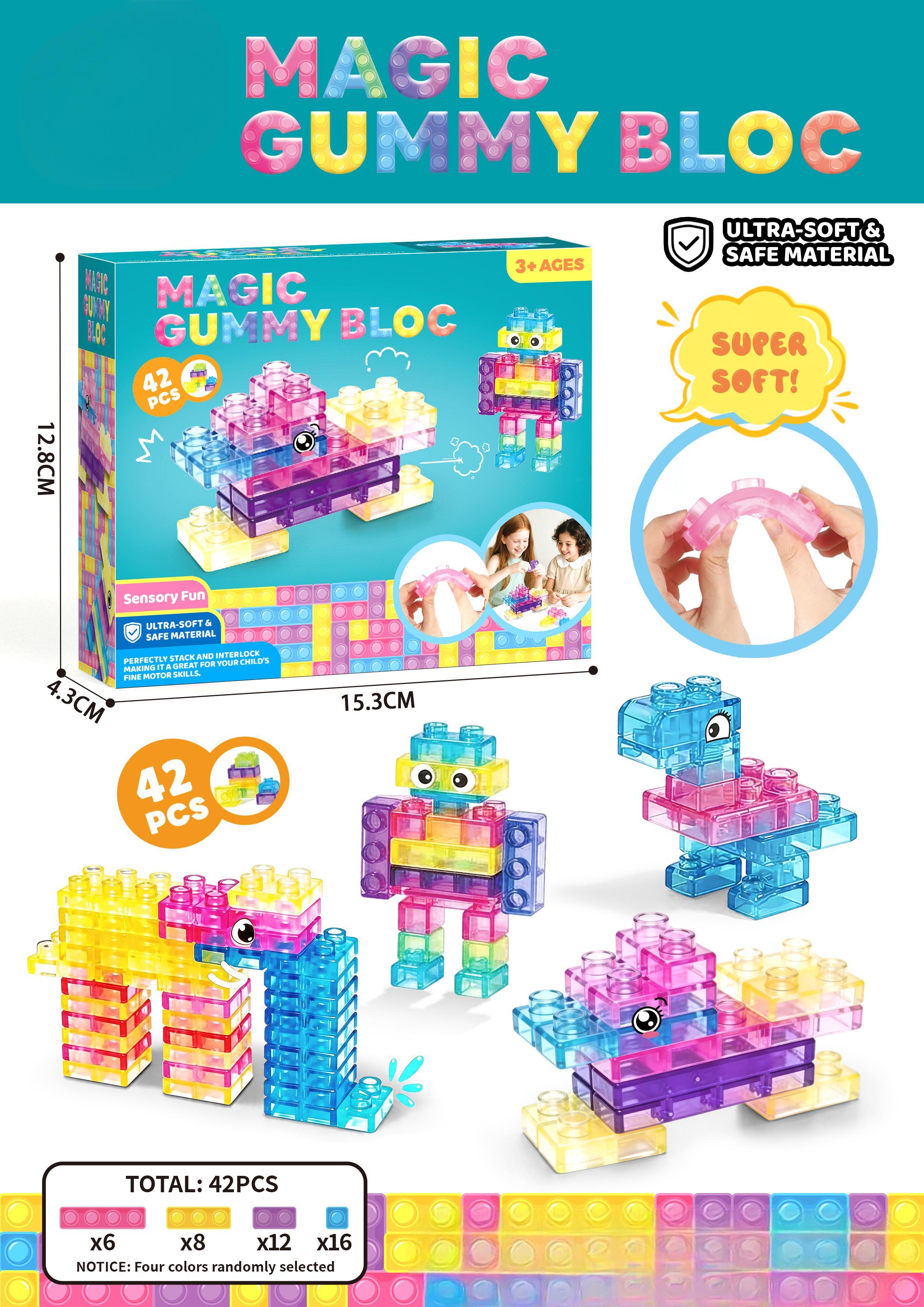
If you are a brand launching a compatible building-block line, use a hybrid approach. Select one Chenghai factory as your primary production partner—one that can hold ±0.02mm and has a proven mold shop. Negotiate a volume-based MOQ of at least 480 sets per SKU (which is typical for a 42-piece ABS set). That factory should also offer OEM/ODM services, including custom color matching and packaging design.
For the backup, pick a second factory in the same region, ideally one that uses the same steel grade for molds. This way, if your lead factory has a capacity crunch, the backup can replicate the same tolerances. Do not mix a Chenghai primary with a Yiwu backup—the tolerances will likely differ.
If you are a small distributor testing a new market, start with a single factory that offers a lower MOQ—300 to 500 sets—and accept that the first batch might require mold adjustments. Plan for one extra round of sample approval. That is normal.
If you are a procurement manager for a large retail chain, centralize with one factory that has ISO 9001 and a dedicated QC team. Send a third-party auditor to verify the mold maintenance records and material certificates. Only then place your first production order.
The biggest mistake buyers make is chasing the lowest unit price. A block that costs $0.02 less but does not fit the competitor's baseplate is a block you cannot sell. The saving is an illusion. Pay for the precision.
FAQ
What is ±0.02mm precision and why does it matter for building blocks?
It is the tolerance on stud and cavity dimensions that ensures a brick from one brand clicks securely onto another brand's baseplate. If the tolerance is wider, bricks may be loose or too tight, causing builds to collapse. For a 200-piece set, that 0.02mm difference per brick adds up to visible misalignment.
How can I verify a factory's block precision without visiting?
Request a sample pack of 10 bricks from the same production batch. Measure the stud diameter with a digital caliper (accurate to 0.01mm). Also test fit them onto a known reference baseplate. If 8 out of 10 fit snugly, the factory is likely hitting tolerance. Ask for the mold cavity inspection report from their tool room.
What certifications should a building block factory have?
ASTM F963 (US), EN 71 (EU), and preferably a third-party test for phthalates and heavy metals (like SGS or TÜV). For blocks targeting children under 3, also require a small parts test. A factory that provides batch-specific certificates is more reliable than one offering a generic PDF.
What is the typical MOQ for custom ABS building blocks from Chenghai?
For a standard 42-piece set, MOQ ranges from 480 to 1,000 sets per SKU. Custom shapes or colors may push MOQ higher. Most factories require at least 300 sets for a first trial run, but that depends on mold complexity.
Can I get FBA-ready packaging for building blocks from Chinese factories?
Yes. Many Chenghai factories offer polybag, display box, and FBA-compliant packaging with UPC/FNSKU labels. Specify this in your RFQ. Expect a small surcharge for labeling and polybag quality checks.
Related Products & Categories
Request a Quote
If you are evaluating factories for precision building blocks, use the criteria on this page to assess any supplier. One example among many in Chenghai is SqueeZaa, which produces DIY Soft Building Blocks – 42 PCS in virgin ABS with imported color masterbatch, maintaining the ±0.02mm tolerance that compatibility requires. Submit a request for a sample set or a factory audit checklist.
Use the information on this page to evaluate any factory—including SqueeZaa—against the same criteria.
Source this range with SqueeZaa
SqueeZaa is the wholesale brand of CPS Toys Trading Co., Ltd. in Chenghai, Shantou. Send your product list, target market, quantity and packaging needs for FOB / EXW pricing, samples, certificates and OEM/ODM options.
Ready to source fidget and stress toys?
Browse the wholesale catalog or send an inquiry with your target category and quantity.
View all products Request a Quote